

10 Common Accessibility Issues Detected by Accessibility Scanning Tools
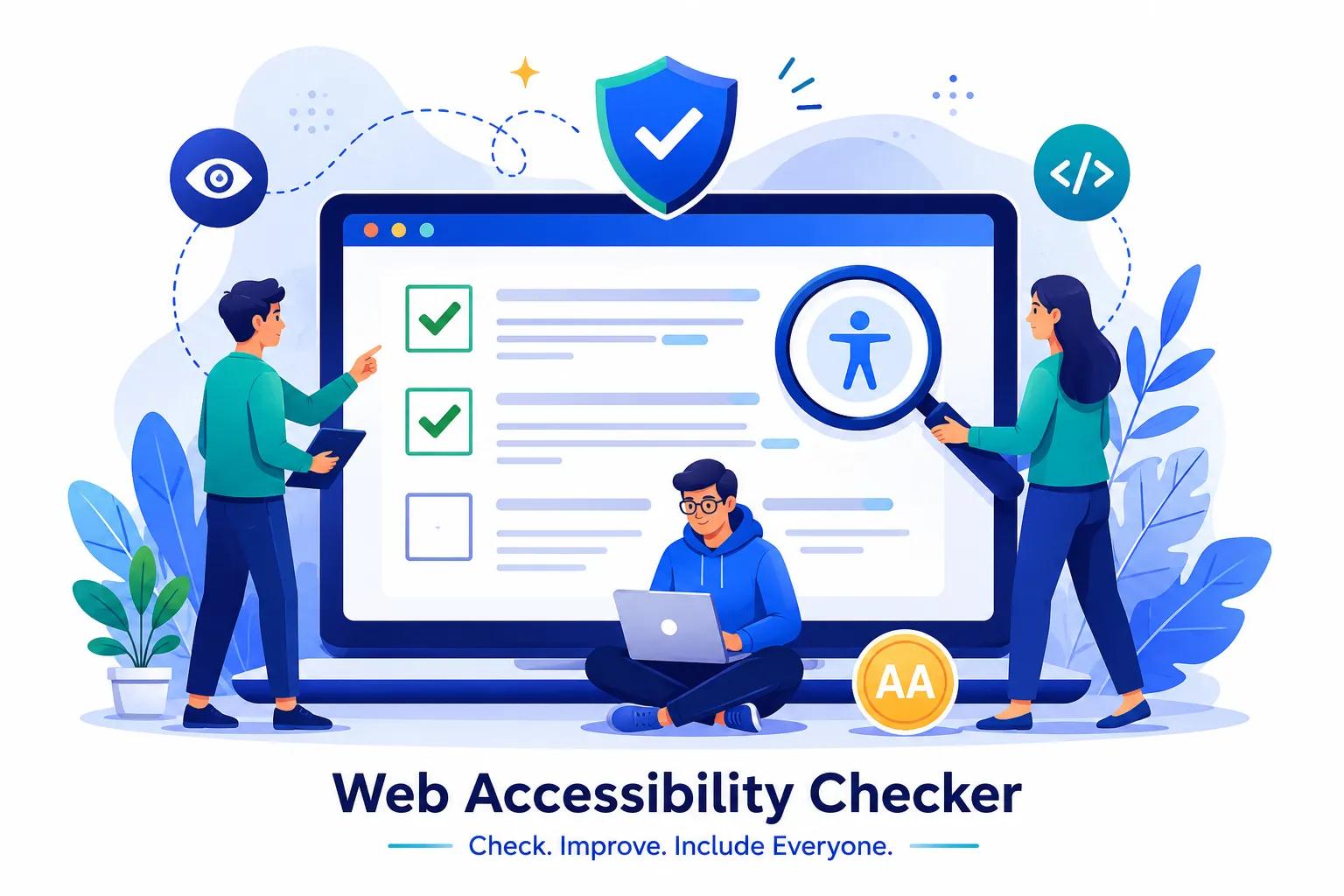
Building a website that works for everyone is no longer optional, it is essential. Most businesses today rely on accessibility scanning tools to identify problems on their websites before real users encounter them. These tools scan pages for code level and design level barriers that prevent people with disabilities from using a website comfortably. As digital experiences become the primary way customers interact with brands, even small oversights in design or development can quietly exclude a large portion of potential users. Understanding the most common issues these tools detect can help businesses fix problems early and create a more inclusive experience.
Missing Alternative Text for Images
One of the most frequent issues found during a scan is missing alt text on images. Screen readers depend on alt text to describe visual content to users who cannot see the screen. Without it, important information gets lost entirely, leaving users with no way to understand what an image is meant to convey.
Poor Color Contrast
Low contrast between text and background makes content difficult to read for users with low vision or color blindness. Scanning tools flag pages where text blends too closely with its background, making readability a challenge for many visitors.
Missing Form Labels
Forms without proper labels confuse screen reader users because fields cannot be identified clearly. This is a common problem on contact forms, checkout pages, and sign up sections, where users may struggle to know what information each field expects.
Keyboard Navigation Failures
Many users rely on keyboards instead of a mouse to browse websites. When buttons, menus, or links cannot be accessed using tab or arrow keys, it creates a major barrier that scanning tools regularly catch, often affecting users with motor impairments.
Missing Page Titles
Every page should have a clear and descriptive title. Pages without proper titles make navigation confusing, especially for users relying on assistive technology to understand where they are on a website.
Improper Heading Structure
Headings help organize content logically. When heading levels are skipped or used incorrectly, screen readers struggle to interpret the page structure, making it harder for users to scan and understand content efficiently.
Non Descriptive Link Text
Links labeled as “click here” or “read more” provide no context when read out of order by a screen reader. Scanning tools highlight this issue frequently because descriptive link text helps users decide whether a link is relevant before clicking it.
Missing ARIA Attributes
ARIA attributes help communicate roles and states of interactive elements to assistive technology. Missing or incorrect ARIA usage is a widespread issue that can confuse screen reader users, especially on pages with dynamic content such as dropdowns or modals.
Inaccessible Tables
Data tables without proper headers or row associations become difficult to interpret for users relying on assistive technology. This issue is especially common on websites that display large amounts of structured data, such as pricing charts or reports.
Auto Playing Media Without Controls
Videos or audio that play automatically without pause or stop controls can disorient users, particularly those with cognitive or attention related disabilities. Scanning tools often detect this as a usability concern that disrupts browsing.
Why Identifying These Issues Matters
Each of these problems may seem small individually, but together they create significant barriers for millions of users worldwide. Beyond improving user experience, fixing these issues helps businesses align with global accessibility standards and avoid potential legal risks. Web Accessibility is not just a compliance requirement, it reflects how genuinely inclusive a business chooses to be in its digital presence.
Using a reliable accessibility checker tool helps identify these issues quickly, allowing teams to prioritize fixes based on severity. Whether reviewing a new website launch or auditing an existing platform, a structured scanning approach ensures nothing important gets overlooked. A consistent testing routine using a trusted website accessibility checker can save time, reduce manual effort, and steadily improve site quality over the long term.
If your website has never been scanned for accessibility issues, now is the right time to start. Identifying barriers early prevents bigger problems later and ensures every visitor, regardless of ability, can navigate your website with ease.
Tranistics Data Technologies Private Limited helps businesses identify and resolve accessibility barriers through its accessibility checker tool, designed to support smarter and faster digital compliance. If you want to make your website more inclusive and accessible, reach out to Tranistics Data Technologies Private Limited today and take the first step toward a fully accessible digital experience.