
Making a website usable for everyone is no longer optional, it's a business necessity. Every organisation that runs a digital platform eventually asks the same question: should they rely on an accessibility checker tool, or invest in a manual accessibility audit conducted by human experts? The truth is that both approaches serve different purposes, and understanding how they work together can save a business time, money, and reputation. This article breaks down the differences, strengths, and limitations of each method, so you can decide what fits your organisation best.
What an Accessibility Checker Tool Actually Does
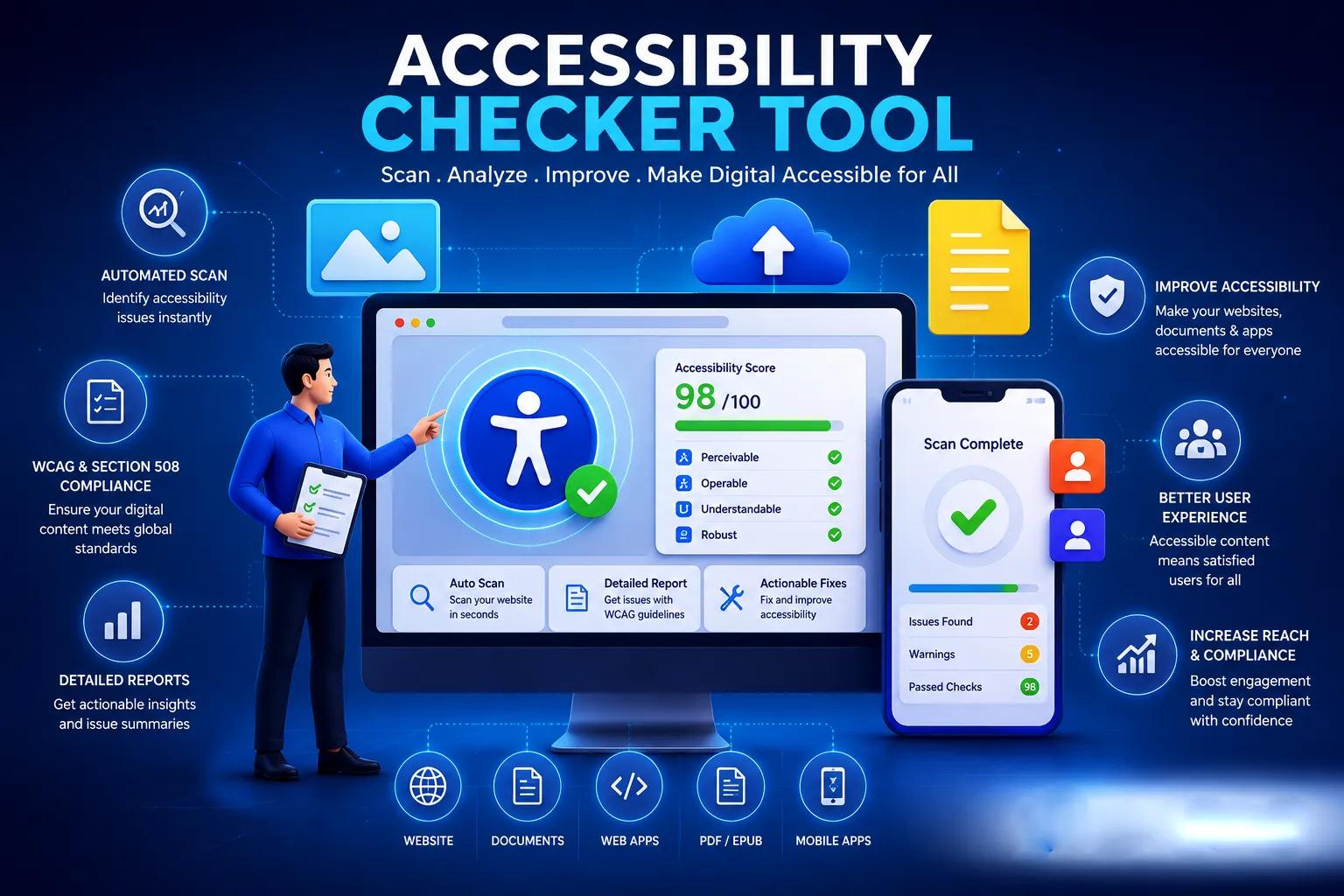
An accessibility checker tool scans a website's code and structure to identify issues that prevent people with disabilities from using it properly. These issues often include missing alt text, poor colour contrast, broken heading structures, unlabeled form fields, and gaps in keyboard navigation. A web accessibility checker works by comparing site elements against established guidelines such as WCAG, flagging problems almost instantly.
The biggest advantage here is speed. A website with hundreds of pages can be scanned in minutes, something that would take a human auditor days or even weeks to complete manually. This makes automated tools ideal for ongoing monitoring, especially for large sites or teams shipping new pages and features frequently.
The Value of Manual Accessibility Audits
While automated scanning is fast, it cannot fully replicate human judgment. A manual accessibility audit involves real people often those with disabilities themselves testing a website using screen readers, keyboard-only navigation, and other assistive technologies. This process uncovers usability problems that a website accessibility checker might miss entirely, such as confusing navigation flows, illogical reading order, or content that technically passes automated tests but still frustrates real users.
Manual testing brings context and empathy into the evaluation, something no algorithm can fully replace. A screen reader user might technically reach every link on a page, but if the order in which those links are announced makes no logical sense, the experience is still broken.
Where Automated Tools Fall Short
Accessibility checker tools are excellent at catching technical violations, but they typically identify only a portion of the total accessibility barriers on a website. Industry research consistently shows that automated testing can only detect a fraction of WCAG success criteria; the rest require human interpretation. Complex interactions like dynamic content updates, custom widgets, video captions, and multimedia elements often need human evaluation to determine whether they truly work for people using assistive technology.
Relying solely on automated scans can create a false sense of security, leading businesses to believe their site is fully accessible when significant gaps still exist. A clean scorecard from a scanner doesn't necessarily mean a person using a screen reader can actually complete a purchase, fill out a form, or navigate your menu without frustration.
Why Manual Audits Alone Are Not Enough Either
On the flip side, manual audits are time-consuming and expensive when performed across large or frequently updated websites. Human auditors cannot feasibly check every single page every time a new feature is deployed, a blog post goes live, or a product listing changes. This is where a reliable web accessibility checker becomes essential catching regressions quickly and giving teams continuous visibility into their site's compliance status between full manual reviews.
The Smarter Approach: Combining Both Methods
The most effective accessibility strategy blends automated scanning with periodic manual review. Automated tools handle the repetitive, large-scale detection work, while manual audits validate the nuanced, experience-based issues that machines cannot judge. This combination gives businesses both speed and depth, ensuring that accessibility efforts are thorough rather than superficial.
Companies that adopt this dual approach tend to fix issues faster and maintain compliance more consistently over time.
Choosing the Right Solution for Your Business
When selecting an accessibility checker tool, look for one that offers detailed reporting, clear remediation guidance, and the ability to scan your site regularly without manual intervention every time. A good website accessibility checker should integrate smoothly into your existing development workflow, so accessibility becomes part of your process rather than an afterthought. The right tool saves your team from reactive fixes and instead builds accessibility into every stage of your website's lifecycle from design, through development, to ongoing maintenance.
Take the Next Step Toward a Truly Accessible Website
Digital accessibility is not just about avoiding legal risk it's about opening your website to every visitor, regardless of ability. If you are ready to identify accessibility gaps quickly and reliably, Tranistics Data Technologies Private Limited offers a solution built for exactly this purpose. The Tranistics Data Technologies accessibility-checker-tool helps businesses scan their websites efficiently, understand where improvements are needed, and move toward genuine compliance with confidence. Reach out to Tranistics Data Technologies Private Limited today and take the first step toward a website that truly works for everyone.