
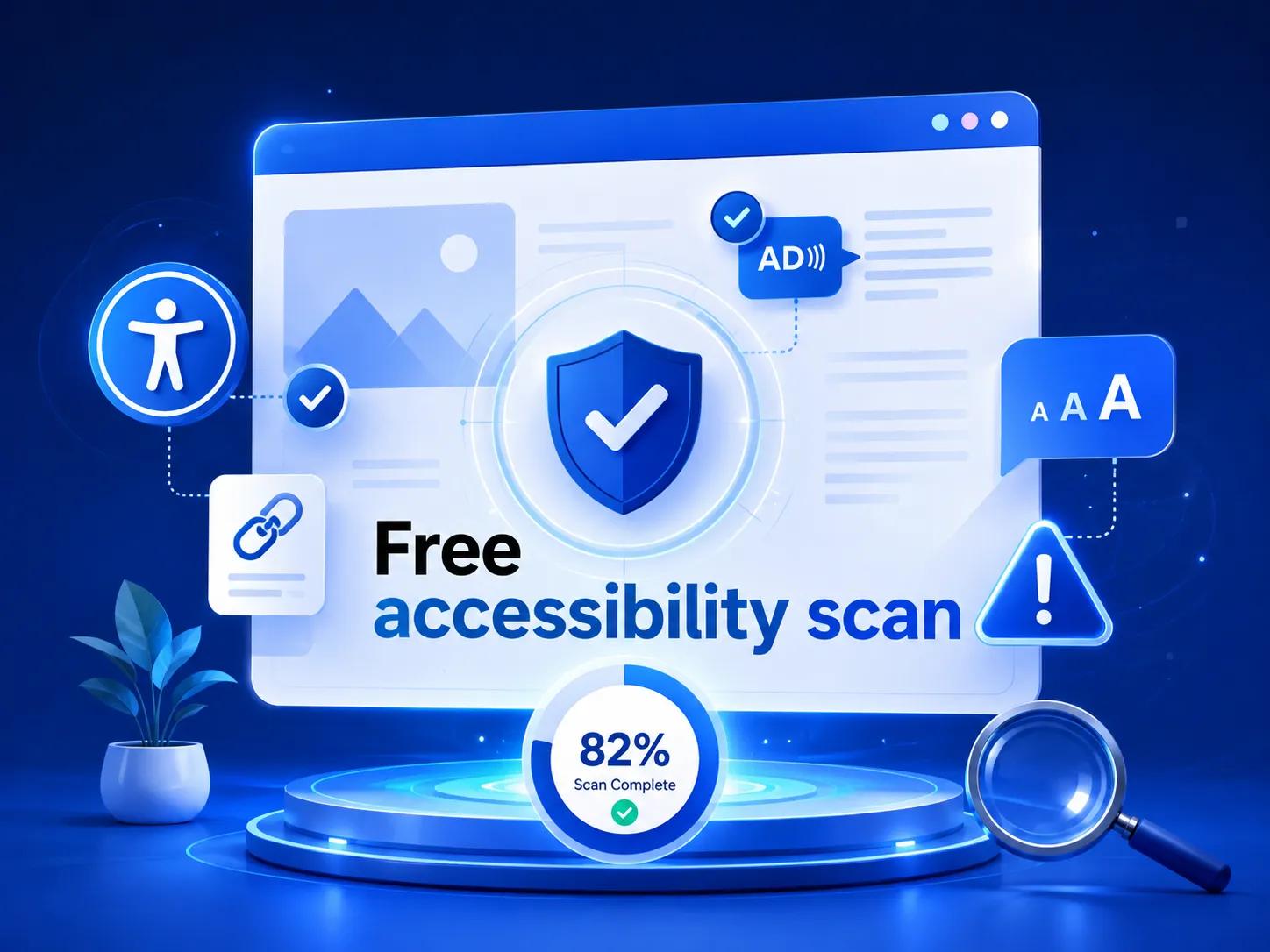
Every website owner wants visitors to have a smooth experience, but many sites unknowingly shut out a large part of their audience. A free accessibility scan is one of the simplest ways to uncover these hidden barriers before they turn into lost customers, legal trouble, or a damaged brand reputation. Running a quick scan can reveal exactly where your website is failing people with disabilities and how you can fix it, giving you a clear roadmap instead of guesswork.
Why Accessibility Issues Go Unnoticed
Most businesses focus on design, speed, and content when building a website. Accessibility often gets overlooked simply because it is not visible to someone browsing normally with a mouse and a screen. Users who rely on screen readers, keyboard navigation, or voice commands face a completely different experience, one that can be frustrating or even impossible to use. A scan brings these invisible problems into full view, showing you exactly what a large segment of your visitors experience every time they land on your site.
Common Problems a Scan Can Uncover
A thorough accessibility scan typically flags missing alternative text on images, which prevents screen reader users from understanding visual content. It also identifies poor color contrast between text and background, making reading difficult for people with low vision or color blindness. Without sufficient contrast, even users without disabilities may struggle to read content clearly on smaller screens or in bright lighting.
Another frequent issue is improper heading structure. Screen readers depend on a logical heading hierarchy to help users navigate a page, and when headings are used incorrectly or skipped entirely, navigation becomes confusing and time consuming.
Forms without proper labels are another major concern. Many contact forms, checkout pages, and sign up forms lack clear labels that assistive technology can read aloud, leaving users unsure what information to enter. This often results in abandoned forms and lost leads, since users simply give up rather than struggle through an unclear process.
Keyboard navigation problems also show up often. Some websites are built in a way that traps keyboard users inside menus or pop ups, with no clear way to move forward or exit. This creates a dead end for anyone who cannot use a mouse, forcing them to leave the site entirely out of frustration.
Scans also detect missing or unclear link text, such as links that simply say click here without context. This is unhelpful for screen reader users who often navigate by jumping between links on a page, making it difficult for them to know where a link leads.
Video and audio content without captions or transcripts is another common gap. This excludes users who are deaf or hard of hearing, and it also affects anyone browsing in a sound sensitive environment such as a shared office or public space.
Beyond these common issues, scans often reveal smaller but equally important problems, such as inconsistent focus indicators, missing skip navigation links, and elements that are not properly announced by assistive technology. Each of these may seem minor on its own, but together they shape whether a user can actually complete a task on your website.
The Business Impact of These Problems
These issues are not just technical details. They directly affect user experience, search engine visibility, and conversion rates. Search engines reward websites that are well structured and easy to navigate, so fixing accessibility issues often improves overall SEO performance as a side benefit. On top of that, an accessible website reduces legal risk, since accessibility related lawsuits and complaints have become increasingly common across industries. Ignoring these issues can also damage brand trust, since customers increasingly expect businesses to design for everyone.
Why Regular Scanning Matters
Accessibility is not a one time fix. Websites change constantly with new pages, updated content, and redesigned features, and each change can introduce new barriers. Running scans on a regular basis ensures that accessibility stays a consistent part of your website strategy rather than an afterthought addressed only after a complaint or audit. Treating accessibility as an ongoing process, rather than a single project, helps businesses stay compliant as guidelines and user expectations continue to evolve.
How to Get Started
The easiest way to begin is by running a website accessibility checker across your homepage and key landing pages. This gives you a clear starting point and helps you prioritize fixes based on severity. Addressing critical issues like missing form labels and poor contrast first will have the biggest immediate impact on usability. From there, businesses can build a longer term plan that covers every page as the site grows.
Take Action Today
Waiting until accessibility becomes a legal or reputational problem is a costly approach. The smarter move is to identify issues early and fix them before they affect real users. Do not let hidden barriers on your website turn away potential customers or invite unnecessary risk. Run a scan today, review the results with your team, and start building a website that genuinely works for everyone, regardless of ability or the device they use to browse.
At Tranistics Data Technologies Private Limited, we understand how important a truly accessible website is for both users and business growth. Our Tranistics Data Technologies accessibility-checker-tool is designed to help businesses run a detailed web accessibility checker on their websites, identify problem areas quickly, and get clear guidance on how to resolve them. Whether you are addressing compliance requirements or simply want a better experience for your visitors, our team is ready to help you every step of the way. Reach out to Tranistics Data Technologies Private Limited today and take the first step toward a website that is accessible, inclusive, and built for lasting success.