The internet was built to be open to everyone, yet millions of people with disabilities encounter barriers every time they browse the web. Running a regular accessibility checker audit has shifted from being a best practice to an absolute necessity for legal protection, user experience, and the credibility of your brand online.
The Digital Divide Is Still Very Real
Web accessibility is not a niche concern. Over one billion people worldwide live with some form of disability, and a significant portion of them rely on assistive technologies to navigate the internet. Screen readers, keyboard-only navigation, and voice input tools depend entirely on websites being built to recognized standards. When those standards are ignored, users are effectively locked out.
The challenge is that inaccessible design rarely looks broken to the naked eye. A button without a label, an image without alt text, or a form field with poor color contrast can function visually while completely failing a user who relies on assistive technology. This is exactly why automated audits matter; they catch what human reviewers often miss. Without a structured audit process in place, even well-intentioned teams can unknowingly ship experiences that exclude a significant portion of their audience.
Legal and Compliance Pressure Is Growing
Accessibility lawsuits have risen sharply over the past several years. Businesses of all sizes from startups to large enterprises have faced legal action for failing to meet web accessibility standards such as WCAG 2.1. Regulatory bodies across North America, Europe, and Asia are tightening enforcement, and having documentation of regular audits is increasingly expected as proof of good-faith compliance efforts.
Waiting for a complaint to trigger action is a costly strategy. A proactive website accessibility checker audit gives organizations a clear picture of where they stand before regulators or plaintiffs come knocking. It also demonstrates accountability, which carries weight in both legal proceedings and public perception. In many jurisdictions, documented evidence of ongoing compliance efforts can meaningfully reduce liability even when violations are identified.
User Experience and Accessibility Are the Same Thing
There is a persistent myth that building for accessibility means compromising on design or functionality. In practice, the opposite is true. Accessible websites are faster, easier to navigate, and better structured for all users, not just those with disabilities.
Clean heading hierarchies help screen readers and search engines alike. Keyboard navigability benefits users on mobile devices with limited motor control as well as power users who simply prefer shortcuts. Sufficient color contrast makes text readable under poor lighting conditions for everyone. Captions on video content help non-native speakers, people in noisy environments, and anyone who simply prefers to read along. When you fix accessibility issues, you improve the experience across the board.
This connection between usability and accessibility is why using a dedicated web accessibility checker is no longer optional for teams serious about quality.
SEO and Accessibility Are Deeply Connected
Search engines crawl web content in ways that are structurally similar to how screen readers process it. Alt text, semantic HTML, logical heading structures, and descriptive link text all contribute to both accessibility compliance and search engine visibility. Sites that score poorly on web accessibility checker audits frequently share many of the same technical weaknesses that drag down SEO rankings.
Fixing accessibility gaps, then, has a compounding effect. You simultaneously reduce legal risk, improve usability, and strengthen your organic search performance three meaningful outcomes from a single focused effort. For marketing and development teams working under resource constraints, this kind of cross-functional impact makes accessibility investment especially worthwhile.
Making Audits a Regular Practice, Not a One-Time Fix
One of the most common mistakes organizations make is treating accessibility as a project with a finish line. Websites evolve constantly. New pages go live, content gets updated, third-party scripts are added, and design elements change. Each of these events can introduce new accessibility issues, which is why a periodic audit cycle using a reliable web accessibility checker tool is essential.
Building accessibility reviews into your regular workflow alongside performance testing and security checks ensures that standards are maintained over time rather than allowed to erode between infrequent reviews. Accessibility is not a destination; it is an ongoing commitment.
Take the Next Step With Tranistics Data Technologies
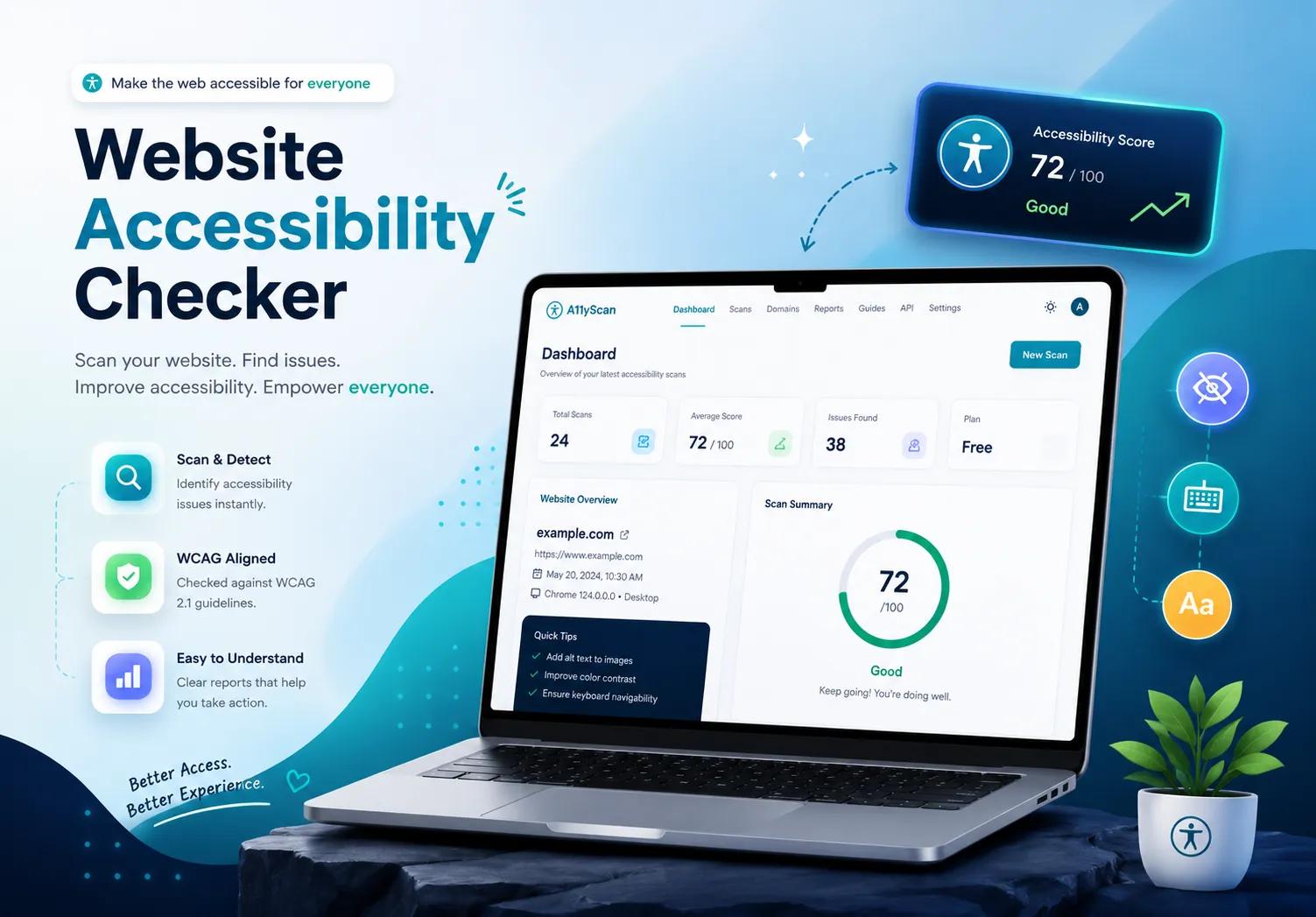
Accessibility compliance does not have to be complicated. Tranistics Data Technologies Private Limited offers a purpose-built accessibility checker tool designed to help businesses audit their websites thoroughly, identify WCAG violations quickly, and prioritize fixes that have the greatest impact. Whether you are just getting started or looking to strengthen an existing compliance process, Tranistics Data Technologies gives your team the clarity and confidence to build a more inclusive web presence.
Start your accessibility audit today because every user deserves a website that works for them.