
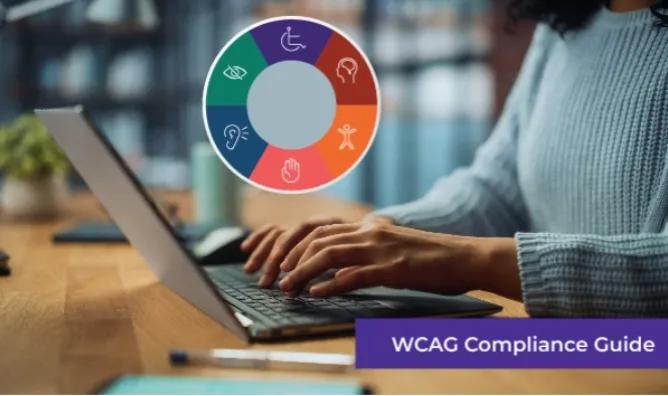
In today's digital-first world, every user deserves equal access to online information, services, and experiences. Web accessibility guidelines are the foundation that makes this possible. They define how websites should be designed and developed so that people of all abilities, including those with visual, auditory, motor, or cognitive disabilities, can navigate and interact with digital content without barriers. For businesses and organizations, following these guidelines is not just a legal or ethical requirement — it is a direct investment in delivering a superior user experience for everyone.
The Real Cost of Ignoring Accessibility
Millions of internet users live with some form of disability. When a website fails to meet basic accessibility standards, it silently pushes away a significant portion of its audience. Common website accessibility issues include poor color contrast that makes text unreadable for visually impaired users, missing alternative text for images, non-keyboard-friendly navigation, and forms that screen readers cannot interpret properly. These are not minor inconveniences. They are genuine barriers that prevent users from completing tasks, making purchases, or accessing critical information. Beyond user impact, inaccessible websites also face increasing legal scrutiny in many countries, making compliance a smart business decision as well.
What Web Accessibility Guidelines Actually Cover
The most widely recognized framework for web accessibility is the Web Content Accessibility Guidelines (WCAG), developed by the World Wide Web Consortium (W3C). These guidelines are organized around four core principles: content must be Perceivable, Operable, Understandable, and Robust. In practice, this means ensuring that videos have captions, that interactive elements can be accessed via keyboard, that error messages in forms are clearly explained, and that the website works reliably across different browsers and assistive technologies. Following these principles creates a cleaner, more structured web environment that benefits all users, not just those with disabilities.
How Accessibility Improves Overall User Experience
There is a strong and often overlooked connection between accessibility and general usability. A website that is easy to navigate for someone using a screen reader is also easier to navigate for a user on a slow connection or a small mobile screen. Clear headings, logical page structure, readable fonts, and well-labeled buttons all contribute to a faster and more satisfying experience for every visitor. Search engines also reward accessible websites because the same practices that improve accessibility, such as proper heading hierarchy and descriptive link text, also improve how content is indexed and ranked. In other words, accessibility and SEO naturally reinforce each other.
Finding and Fixing Accessibility Problems
The first step toward a more accessible website is understanding where the gaps are. An accessibility checker tool allows developers and content teams to scan web pages and identify issues based on WCAG criteria. These tools highlight problems such as missing form labels, insufficient contrast ratios, and improperly structured headings, giving teams a clear starting point. For larger websites or ongoing compliance needs, investing in accessibility scanning tools provides continuous monitoring so that new content or design changes do not introduce fresh barriers over time.
Once issues are identified, knowing how to fix accessibility issues is the next critical step. Many common problems can be resolved with targeted updates to HTML structure, CSS styling, or content. For example, adding descriptive alt text to images, improving button labels, and ensuring logical tab order are straightforward changes that deliver immediate improvements. More complex issues, such as ensuring custom interactive components are fully keyboard and screen reader accessible, may require developer involvement but are entirely achievable with the right guidance.
Building an Accessible Digital Future
Accessibility is not a one-time project. It is an ongoing commitment to inclusive design. Organizations that embed accessibility into their development and content workflows from the start save time, reduce compliance risks, and build stronger trust with their audiences. Every step taken toward a more accessible website is a step toward a better digital experience for every user.
At Tranistics Data Technologies Private Limited, we help businesses identify, understand, and resolve website accessibility issues with the right tools, expertise, and strategy. Whether you are just beginning your accessibility journey or looking to strengthen an existing framework, our team is ready to support you every step of the way.
Take the Next Step Today
Do not let accessibility gaps hold your website back. Partner with Tranistics Data Technologies Private Limited to audit your website, implement the right accessibility scanning tools, and build a digital presence that welcomes every user. Contact us today to schedule your accessibility review and move toward a more inclusive, high-performing website.